

Canada’s Full-Service Video Partner
Videos that put butts
in Canadian beds
Turn curiosity into bookings.
“A visionary creator”

We facilitate entire productions in
Canada’s outdoor environments.
Creative Strategy • Crew • Location Scouting • Permitting • Aerial Cinematography • Post-Production & Beyond

Results in five provinces
Video infrastructure built for Canadian tourism, adventure, & outdoor brands — measured against purchase intent, ongoing outcomes, and compounding results
Nunavut
British Columbia
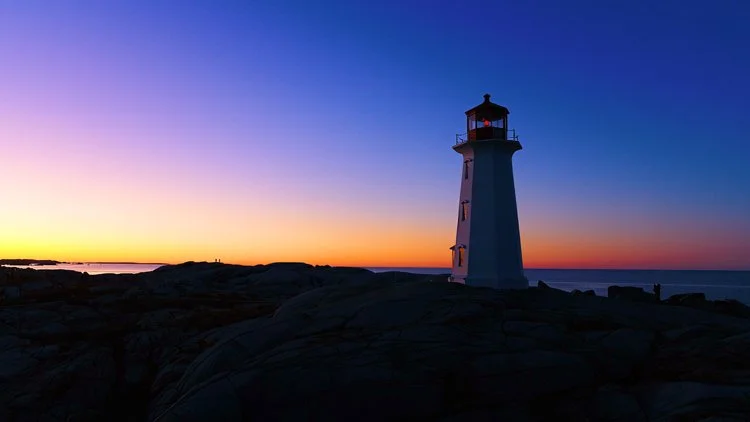
Nova Scotia
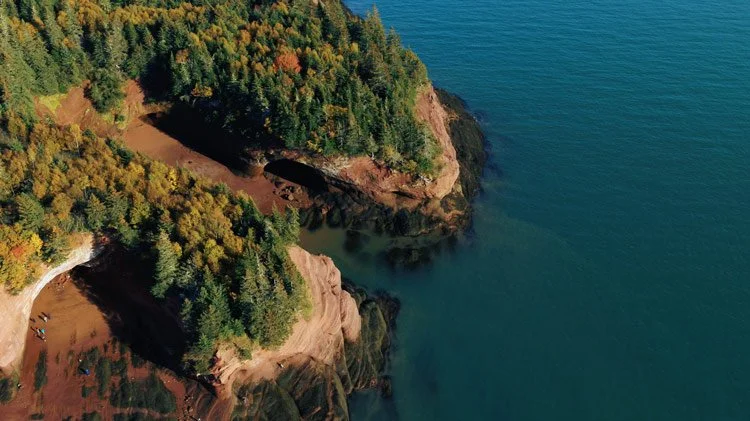
New Brunswick
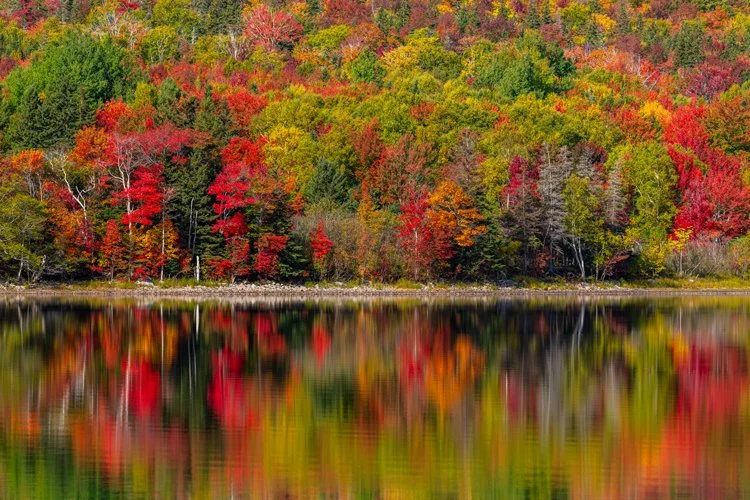
Quebec
Prince Edward Island
Featured in:

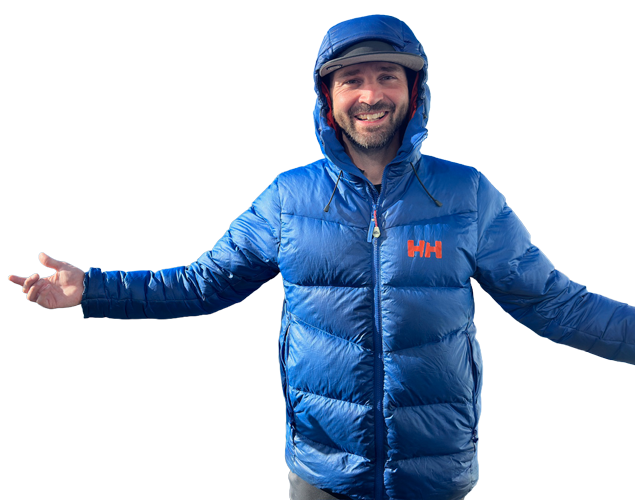
It all started when I hitchhiked to Whistler in a snowstorm at midnight in 1997.
What was supposed to be a two-month placement studying ecotourism became a life. I fell in love with the mountains, the coastline, the native culture, and the outdoor lifestyle. To pay for an excessive adventure habit, I started filming travel videos.
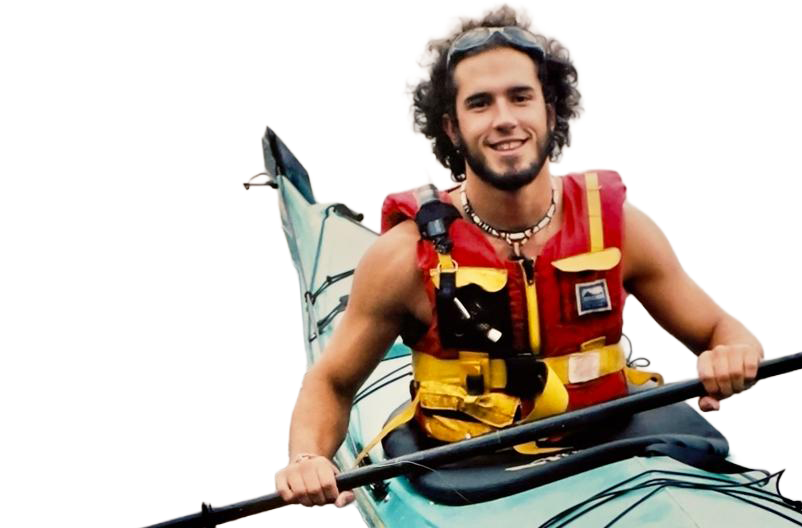
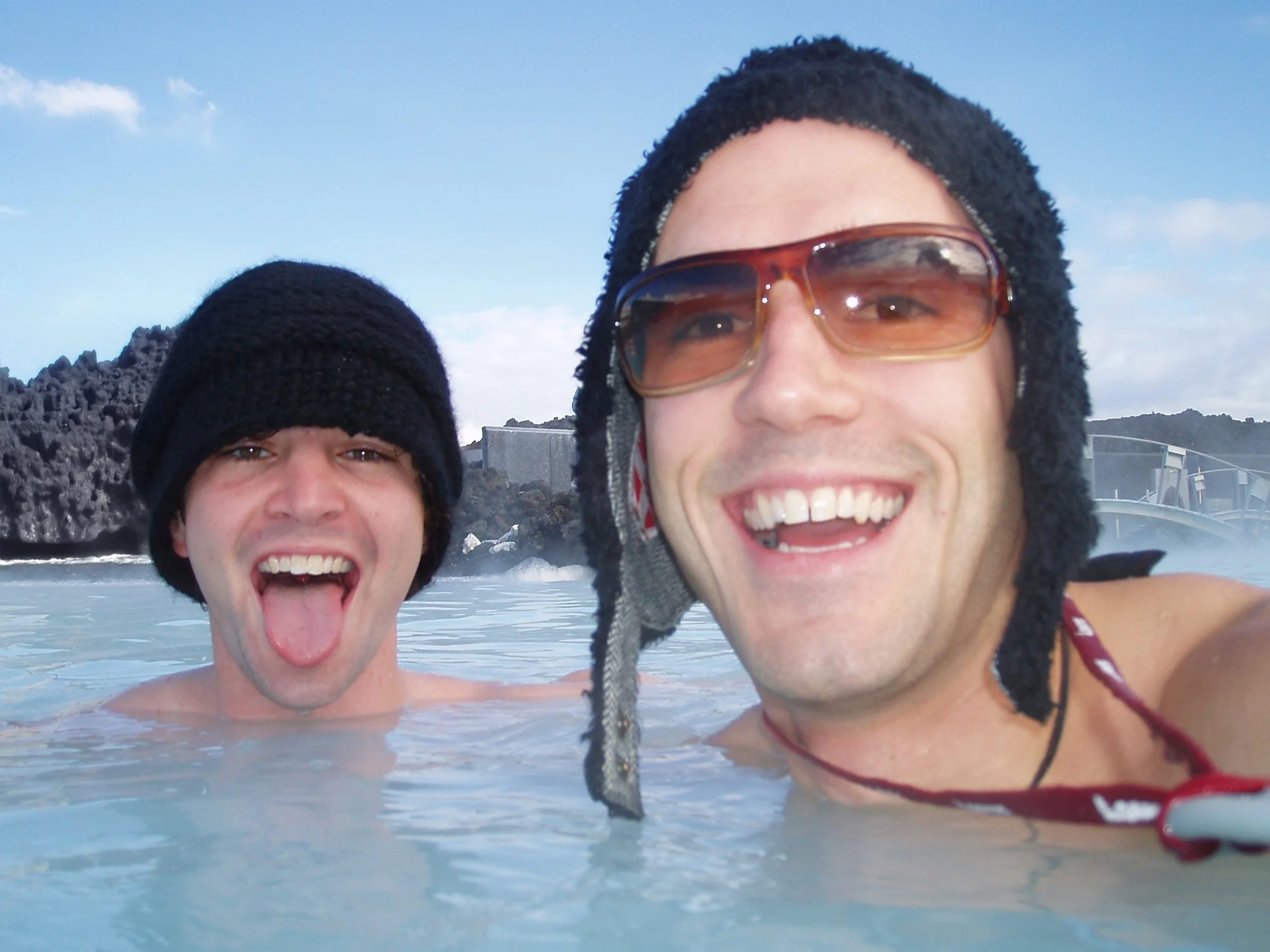
On contract in Europe in 2006, I met Scott.
Our first expedition together was the Blue Lagoon in Iceland. Two decades later, we're still on the road.
We learned Canada by producing it
Twenty years of producing commercial campaigns across seven continents and five provinces taught us how to film in the outdoors and how to build the right team. We learned the systems behind the work, the ones that put our films #1 in Persuasion, Attention, and Desire.
We saw a gap that was costing the provinces
Large productions kept landing in Canada without a real partner on the ground.
No company understood both the realities of video performance and the realities of operating in Canada's natural environments. We'd lived both.
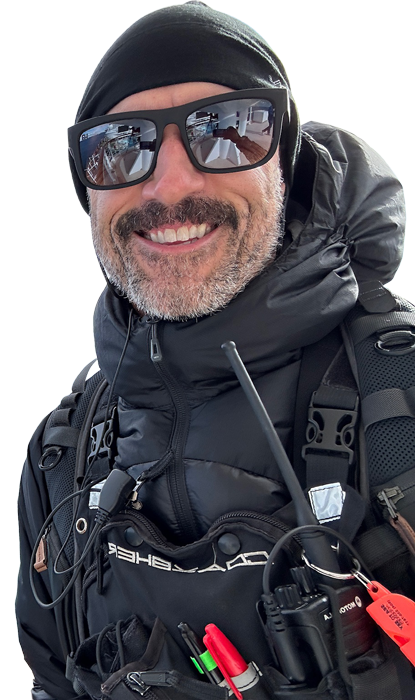
So we built the company we wished existed
WABU Creative brings two decades of video experience and on-the-ground Canada operations together under one roof. We service production through post in every province, so you get the results you need, not just the footage.
Our vision for the #1 production company in Canada
WABU believes that extraordinary stories deserve extraordinary care. Every destination, every community, every culture and every landscape entrusts us with something valuable. Our responsibility extends beyond creating beautiful imagery. We strive to leave places stronger, relationships deeper, and stories more truthful than we found them.
Plan Your Canada Video Infrastructure
Canada Video Production FAQ
If you’re accountable for outcomes, not just output, you’re in the right place.
What production companies specialize in sustainable video production in Canada?
A handful of companies combine cinematic production values with the operational and cultural fluency Canada's coastal and wilderness regions require. WABU Creative is one of them. Based in Whistler, BC, we produce campaign content across British Columbia's coast, the Inside Passage, and Western Canada wilderness, with named client work for Seabourn. We describe that as a commitment to responsible production practices rather than an unqualified sustainability claim, a distinction documented in our Sustainability Policy and reflected in our Adventure Travel Trade Association (ATTA) membership.
What does “sustainable video production” actually mean, beyond marketing language?
It's grounded in three things: environmental practice, cultural respect, and accountability you can check. Environmentally, that means minimizing unnecessary travel and consolidating productions so a single deployment covers more deliverables instead of repeat trips, choosing durable equipment over disposable gear, reducing single-use plastics on location, factoring environmental impact into production planning before a shoot is booked, and leaving filming locations as we found them or better, a commitment that matters as much on a BC glacier as it does aboard a working expedition vessel. Culturally, it means informed participation, no manufactured moments, authentic representation, and protecting cultural knowledge when a community asks us to. Accountability means we review our Sustainability Policy annually and publish our progress, not just state intentions once and move on.
Doesn't working with cruise brands conflict with a sustainability claim?
We don't think opting out of an industry with real environmental impact is the same as improving how it operates. Cruise lines are going to produce marketing content regardless of who shoots it. We'd rather be the crew pushing for the highest standard of responsible production and Indigenous engagement in that work, minimizing footprint, hiring local, following wildlife and cultural protocols, than sit outside the industry with no influence on how it's represented. That's also why we don't call WABU the sustainable video production company: we're committed to responsible production practices on the work we choose to take on, and we hold ourselves to that standard whether the client is a cruise line, a tourism board, or a luxury brand.
How does WABU approach Indigenous protocols and land acknowledgment when filming in Canada?
We follow the lead of the Nations whose territory we're working on. Every Canadian shoot starts with acknowledgment of the land and, wherever a project touches a specific community, direct engagement before cameras roll, not after. Our Communities & Partnerships commitments prioritize local guides, local businesses, Indigenous partnerships, hiring local crews whenever practical, fair compensation, and long-term relationships over one-off transactional work. This isn't new practice for us: we've worked directly with Alaska Native communities on our Alaska productions and with the Wunambal Gaambera people, traditional owners of the coastline, on our Kimberley, Australia shoots, and we bring that same protocol-first approach to every Canadian project. It mirrors the approach organizations like Northern BC Tourism Association take toward reconciliation and Indigenous-led tourism development.
How do you film in British Columbia's coastal and wilderness regions, and what wildlife protocols do you follow?
BC's Inside Passage, Great Bear Rainforest, and Pacific coastline present the same core challenges as polar work at a smaller scale: weather windows, marine access, and wildlife that sets its own schedule. We coordinate marine charter and float plane access, work around tide and light windows unique to fjord and rainforest environments, and plan around protected areas like the Khutzeymateen Grizzly Bear Sanctuary with the permitting and distance protocols those areas require. Crews are briefed on BC Parks and Parks Canada requirements before departure, including minimum distances from wildlife such as grizzly bears and whales, site rotation to avoid overuse, and drone restrictions in protected airspace. Itineraries build in weather buffer days rather than treating the region as predictably accessible, and crews follow the lead of the local guide or expedition team in the field, the same discipline we apply in Antarctica and the Arctic.
Who produces video for Seabourn's Canada and Alaska expedition campaigns?
Cruise brands running Canada and Alaska itineraries typically split production between in-house teams and specialist partners for the Inside Passage and shore excursion segments that require expedition-grade logistics. WABU Creative has produced campaign content for Seabourn, filming across the BC coast and Western Canada wilderness that sit outside what a generalist ship-based crew is equipped to deliver.
What credentials should a video crew have for remote Canadian wilderness shoots?
At minimum: wilderness medical training, cold-water and cold-weather operational experience, and documented familiarity with BC Parks, Parks Canada, and applicable Indigenous protocols for the specific territory being filmed. WABU's crews are Advanced Wilderness First Aid (AWFA) certified, the same standard we hold for polar work, and we've filmed across BC's coastal and mountain wilderness under those protocols. A crew without wilderness medical certification and a documented land-use protocol shouldn't be shooting multi-day trips into remote Canadian terrain.
How much does sustainable expedition video production in Canada cost?
Costs scale with the same drivers as any remote-environment production: crew size, shoot duration, marine or aircraft charter, permit complexity, and deliverable count. A focused short-form project in an accessible BC location can start in the low five figures; a full multi-region campaign with hero film, supporting cuts, and a stills library typically lands in the low-to-mid six figures. Sustainability commitments, including consolidating trips, choosing durable gear, and hiring local crews, tend to offset rather than inflate cost, since fewer repeat deployments and local hiring both reduce logistics spend. Contact us for a scoped estimate.
How far in advance should we book a Canada production?
Most Canadian wilderness and coastal shoots need two to four months of lead time, enough to secure marine or aircraft charter, confirm permits with BC Parks or Parks Canada, and, where a project touches Indigenous territory, complete community engagement before the shoot date. Larger campaigns tied to a cruise season launch or a tourism board initiative benefit from the longer end of that window. That timeline is driven by approvals, not by production capacity, so it shortens considerably when a shoot doesn't need them: an accessible BC location with no protected-area permitting and no Indigenous-territory permissions required can often be scoped and booked in one to four weeks. Tell us the location and we'll tell you honestly which end of that range you're on.
How does WABU work with organizations like Northern BC Tourism Association and the Adventure Travel Trade Association?
We build toward the same outcomes these organizations already champion. NBCTA's strategy centers on authentic storytelling that inspires travelers to explore with care and respect, sustainable destination stewardship, and strengthened Indigenous relations, objectives we share and design productions around, whether or not a given project is NBCTA-affiliated. As an ATTA member, we hold to the belief that extraordinary stories deserve extraordinary care: that our responsibility extends past the imagery itself to the destinations, communities, and cultures who make the story possible. Sustainability, for us, is a practice, not a finished state.
How do you measure the performance of Canada campaign video?
The same discipline as any expedition campaign: awareness work is tracked on reach, engagement, and completion rate; direct-response work is tracked on booking or visitation lift, cost-per-booking, and attribution. For tourism-board-adjacent work, we also track alignment with destination-management goals, the kind of resident sentiment and value-of-tourism metrics NBCTA itself uses to judge success, because content that drives bookings without regard for destination capacity isn't a result we're interested in producing.



Let’s Grow Your Business
& transform your brand.
